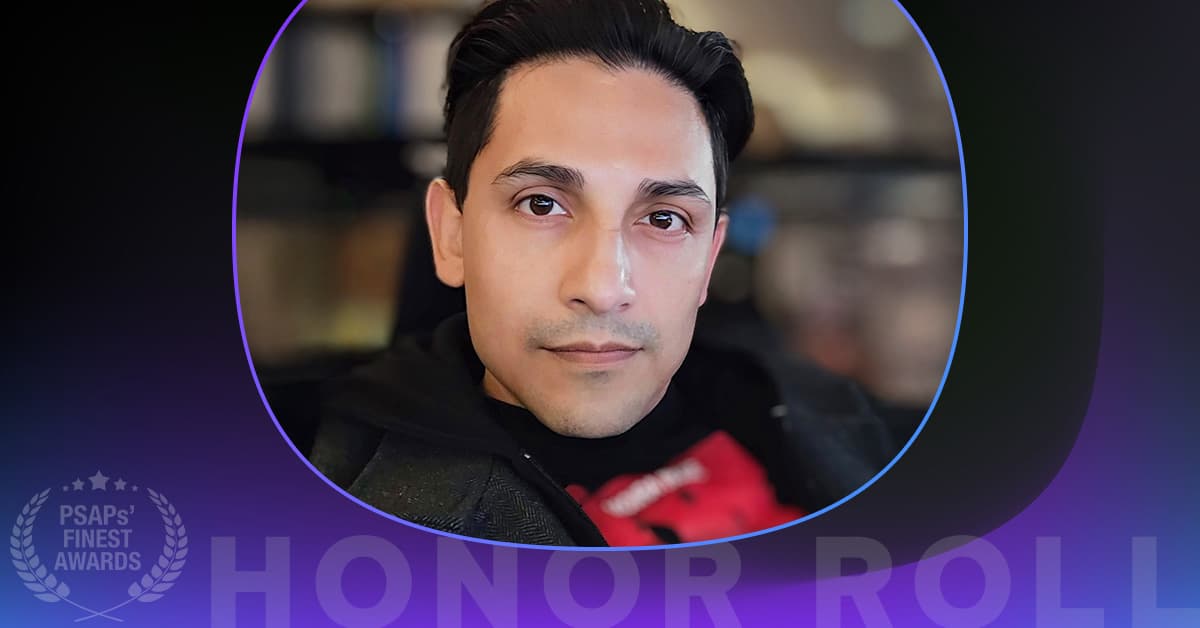
Ian: What first drew me to public safety communications was simple curiosity; I wanted to understand how the different parts of emergency response worked together behind the scenes. I thought I’d just dip my toes in, but six years later, I’m now supervising one of the most advanced and dynamic communications centers in the nation.From the very beginning, I was captivated by the complexity and coordination it takes to make emergency communication seamless. Every day presents a new puzzle to solve, a new challenge to overcome, and I love that no two days are ever the same.It’s a tremendous honor to represent Control One, an organization that has served the radio communications needs of Orange County since 1934.Interoperability is not just a word but what defines Control One and makes it so unique and special. We provide critical interagency coordination, linking law enforcement, fire, paramedics, and local government to ensure a unified response during both routine operations and emergencies. Control One’s mission extends far beyond our county lines, supporting neighboring regions when the need arises.To be part of that legacy — to help maintain the bridge that keeps responders informed, connected, and safe — that’s what attracted me to this field, and it’s what continues to inspire me every single day.What is your most memorable career experience?
Ian: My most memorable career experience was the very first day I worked solo after completing training. I arrived for my shift on RED Channel, which handles all emergency traffic, and almost immediately found myself in the middle of a large protest that rapidly escalated into a critical incident. Within moments, an airship called for a countywide response, and I had only seconds to steady myself and bring order to the chaos unfolding over the air.No amount of training could have truly prepared me for that moment; it was a real test of composure, focus, and readiness. But once I took that deep breath and trusted my instincts, everything I had learned came together.That experience became my personal turning point — the moment I realized I was built for this career. It taught me how to remain calm under pressure and set the personal standard I’ve carried with me ever since. Every day since has been another opportunity to learn, evolve, and meet the ever-changing demands of county communications.What do you love most about what you do?
Ian: What I love most about this work is being part of an organization with such a remarkable legacy and purpose. I still find it incredible that back in 1934, a group of visionary men and women came together to create what would become the Orange County communications system — Control One — a system that united fire, law enforcement, and medical services into a single network. Their innovation set the standard for communications across the nation, and I take it as a personal mission to carry that legacy forward.Every day brings something new: one day I might be collaborating with a communications manager in Hawaii to share best practices on EAS and WEA systems, and the next I’m working with the National Guard to coordinate communication plans for unplanned emergencies. It’s both humbling and inspiring to know that our work not only supports local responders but also influences lifesaving strategies far beyond our county.That sense of impact — of helping others communicate, adapt, and respond when it matters most — is what I love most about what I do.What advice would you have for others thinking about a similar career path?
Ian: This career is not for the faint of heart. Working in dispatch and communications demands mental endurance, adaptability, and a willingness to learn an entirely new language of codes, procedures, and priorities. You’ll often find yourself pulled in multiple directions at once — balancing radio traffic, phone calls, and urgent requests — all while staying calm and collected under pressure.It’s both incredibly challenging and deeply rewarding, offering the unique satisfaction of knowing that your quick thinking and composure make a real difference in people’s lives every single day.What does it mean to be recognized with a PSAPs’ Finest Award?
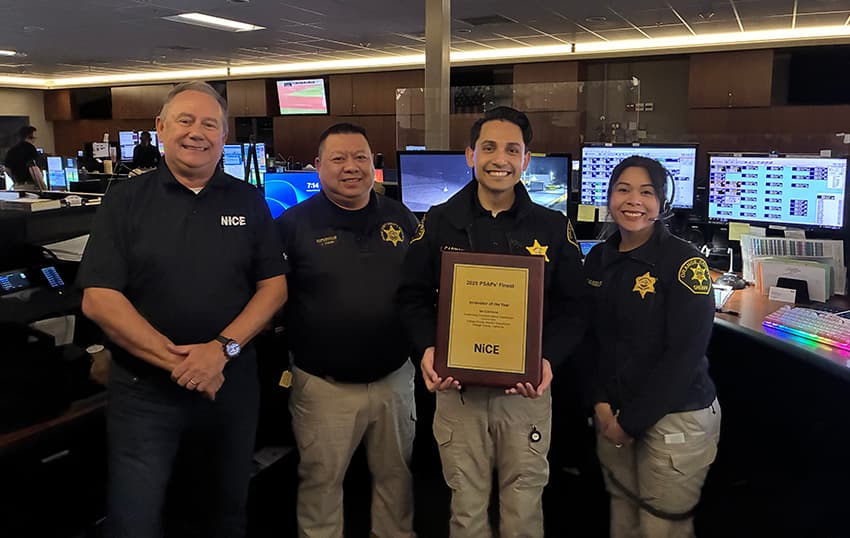
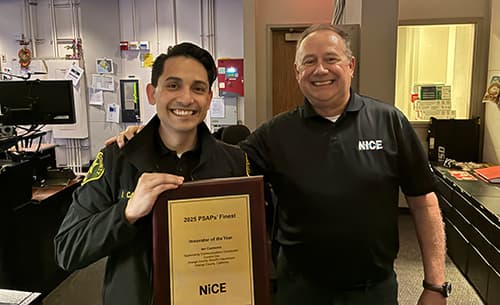
Ian: Being recognized with a PSAPs’ Finest Award is an incredible honor and a deeply humbling experience. In this profession, the greatest reward often comes from knowing that what we do — every shift, every call, every decision — has a direct impact on someone’s safety and well-being. To have that dedication formally recognized is truly special.I view this award not as an individual achievement but as a reflection of the teamwork, mentorship, and shared commitment that define our center. Our staff continuously strive to uphold the highest standards of service, adapting as technology and community needs evolve. Innovation, adaptability, and collaboration are essential in this line of work, and I’m proud to be part of a team that embraces all three.My hope is to use this recognition as an opportunity to share my experiences — both successes and lessons learned — to help foster an environment where future generations of dispatchers and communication leaders can thrive, and where our ultimate mission remains unchanged: ensuring that everyone, both in the field and at the console, goes home safely.