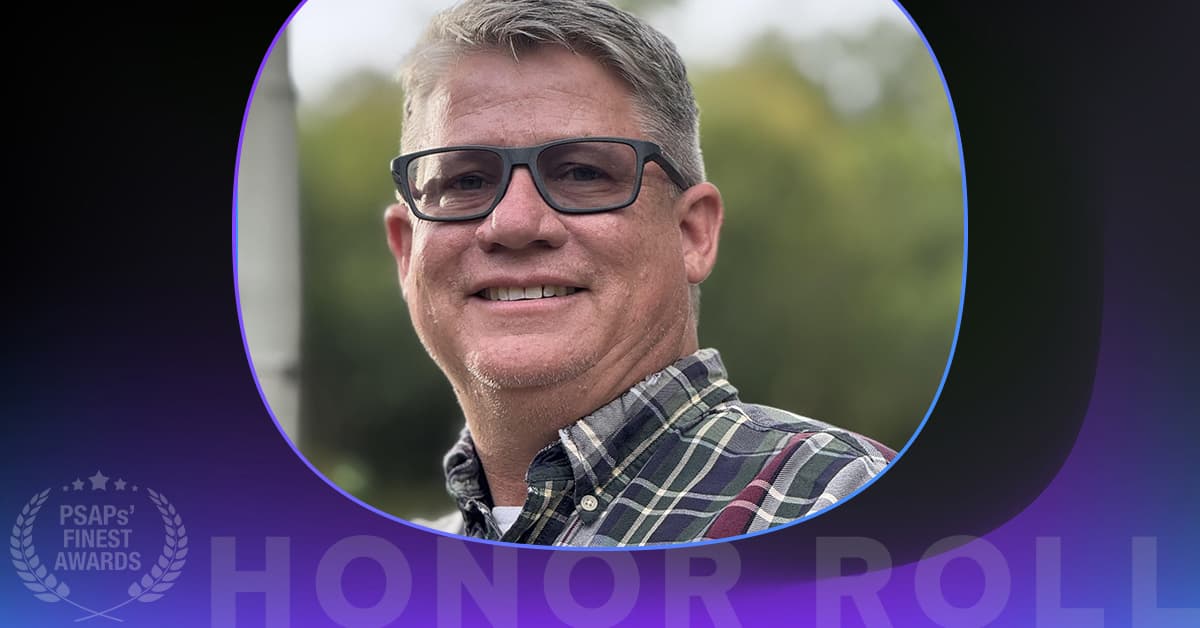
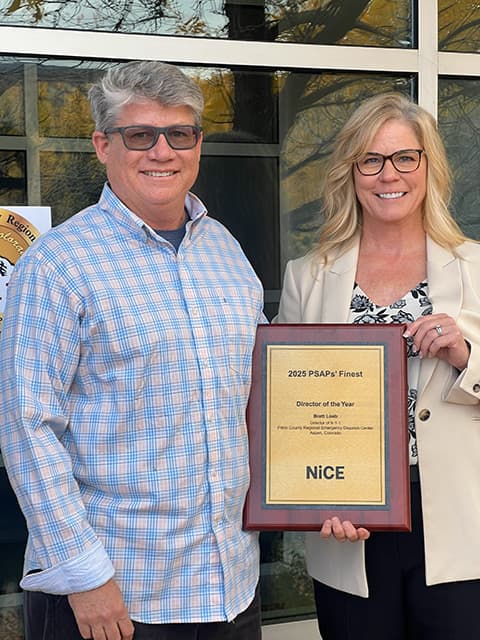
In emergency communications, leadership is foundational. While telecommunicators are the first voices the public hears in a crisis, it is strong, effective leadership behind the scenes that ensures those voices are supported, trained, equipped, and empowered to perform at the highest level. A 9-1-1 Director plays a pivotal role in shaping the culture, resilience, and operational success of a communications center. Their decisions influence staffing stability, technology adoption, employee wellness, and ultimately, the safety of both responders and the communities they serve.Each year, the PSAPs’ Finest Awards shine a spotlight on the dedicated professionals who form the backbone of public safety communications. The program has recognized hundreds of remarkable individuals and teams who keep our communities safe during their most critical moments. From the telecommunicators who answer the call, to the supervisors, technicians, trainers, innovators, and leaders who make it all work—these awards honor everyone who ensures emergency communications run smoothly.This year’s honoree in the Director of the Year category is Brett Loeb, Director of 9-1-1 at the Pitkin County Regional Emergency Dispatch Center in Aspen, Colorado.When Brett stepped into this leadership role, the center faced significant challenges, including a 30% annual attrition rate. At a time when staffing shortages are impacting PSAPs nationwide, this was no small hurdle.Rather than accepting the status quo, Brett leaned into the responsibility that comes with leading a 9-1-1 center. He reimagined how emergency communications could—and should—function, reshaping traditional practices to better support a modern, evolving workforce. Through determination, innovation, and a people-first mindset, he transformed the center into one of the most forward-thinking emergency communications operations in the country.The results speak for themselves. Today, the center is fully staffed and has retained nearly its entire team over the past two years. That kind of turnaround doesn’t happen by chance—it is the direct result of intentional leadership, clear vision, and a deep commitment to the people doing the work.Brett’s impact extends far beyond staffing metrics. Under his guidance, the Pitkin County Regional Emergency Dispatch Center has become a model for innovation within the industry. By embracing new technologies and fostering a positive, supportive workplace culture, he has demonstrated that operational excellence and employee well-being are not competing priorities—they are inseparable.Equally important is how Brett leads. Known for being patient, kind, and empathetic, he is consistently present for his team and invested in their success. His staff don’t simply work under his direction—they feel valued, respected, and motivated to excel. This is the kind of leadership that strengthens centers from the inside out.In every way, Brett exemplifies the qualities honored by the PSAPs’ Finest Awards: vision, innovation, professionalism, and an unwavering commitment to public safety.Recently, we had the opportunity to speak with Brett about his career and what being named the 2025 PSAPs’ Finest Director of the Year means to him.What attracted you to a career in public safety /9-1-1 emergency communications? Brett: I started in 9-1-1 out of necessity. After our first son was born, and we sold a business, we needed a stable job with good benefits. However, it quickly became obvious that this was where I was meant to be. I fell in love with the job and the people right away, then was promoted to supervisor while still in training, and never looked back! Once in, it became my goal, borderline obsession, to try to make things better for our dispatchers and our industry...mostly by doing things completely opposite of the way they've always been done!What is your most memorable career experience? Brett: The last big call, and every one before that that I was able to participate in or witness. To me, watching 9-1-1 professionals handle a big event is one of the most amazing experiences. It's almost symphonic, how each person handles their portion of a call with urgency, but not haste, and seeing how it all comes together with no wasted communication or actions to serve our responders and citizens is truly a thing of beauty!What do you most love about what you do? Brett: In my role, I love the coordination of resources and the problem-solving aspect of 9-1-1. While many kids wanted to be astronauts, I always dreamed of being the Mission Control Flight Director, organizing and managing all the skilled people to perform at a higher level together than they ever could individually. In our industry as a whole, it's the people for sure. I've never seen a group of professionals who sacrifice so much for, and remain so dedicated to, a cause, while asking so little in return. Every dispatcher I've worked with in my 18 years has been not only a top-tier dispatcher, but a top-tier person as well! Because of this, I feel that if I can approach every situation through the lens of, 'How does this help the dispatcher?' and provide them with tools to help them do their job more efficiently and effectively – while removing as many challenges as possible – then I can get out of their way and let them do the great work they do!What advice would you have for others thinking about a similar career path? Brett: Go for it! You can make a difference at every level of this career. If it doesn't take right away, patiently keep after it; slow and steady pressure to reach your goal works almost all the time. Ask why, but always follow with why not? And, honor your dispatchers. Their work is sacred. They protect the public by being the first to answer the call for help, and they protect responders by ensuring they have the best information, so that the scene they walk into is as safe as possible. They are the unseen guardians of the community who remain vigilant, so others can rest. They may not physically respond to calls, but they feel every call.What does it mean to be recognized with a PSAP's Finest Award? Brett: While I am truly honored, I am most grateful for a small amount of validation that “counter-culture” philosophy works and has made a small difference in our industry. Not too long ago, the idea that you could build a high-performing dispatch center and maintain a positive, people-focused culture felt almost impossible. This recognition tells me that it’s not only possible, but sustainable — and that makes me very proud, not only of our team, but of all the other Directors who are making this movement possible throughout our industry! If we, as leaders, can build environments that honor and support those guardians — through modern tools and a healthy culture — we can not only change our centers, we can change the future of 9-1-1, and I am extremely grateful for the opportunity to play at least a small part in making that happen.
About the PSAPs’ Finest Awards
PSAPs’ Finest is an annual recognition program honoring excellence in emergency communications centers (ECCs). The awards celebrate individual and team achievements each year across categories including Lifetime Achievement, Above & Beyond, Communications Center Director/Manager, Line Supervisor, Technician, Trainer, Telecommunicator, Innovator, and PSAP of the Year. More information can be found at https://www.nicepublicsafety.com/psaps-finest-awards.