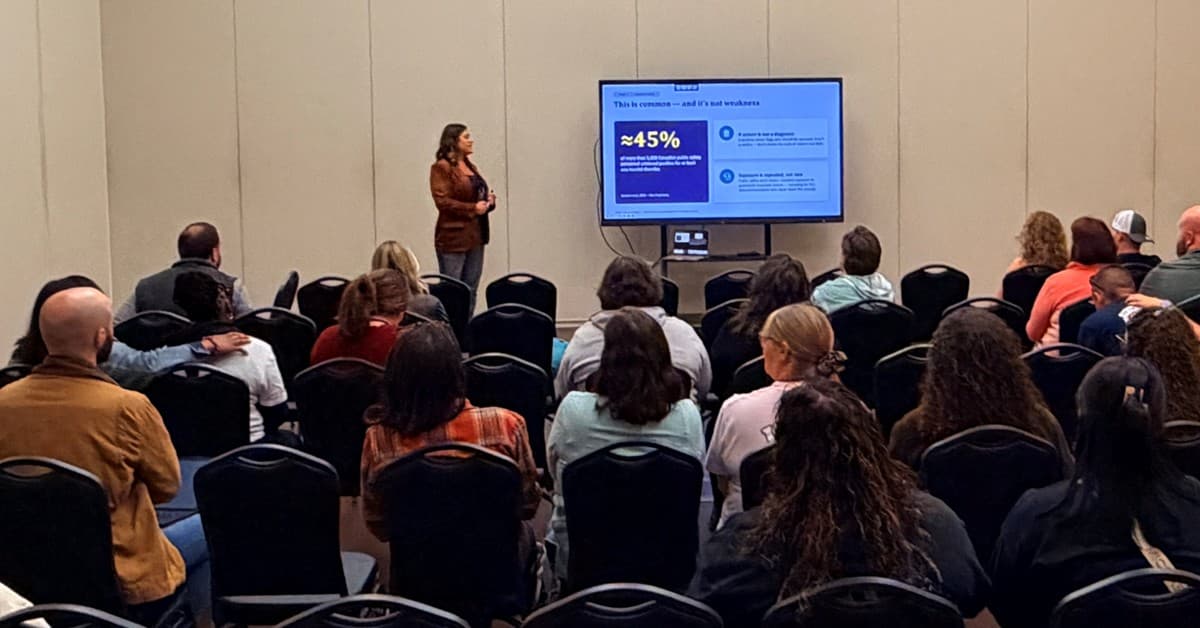
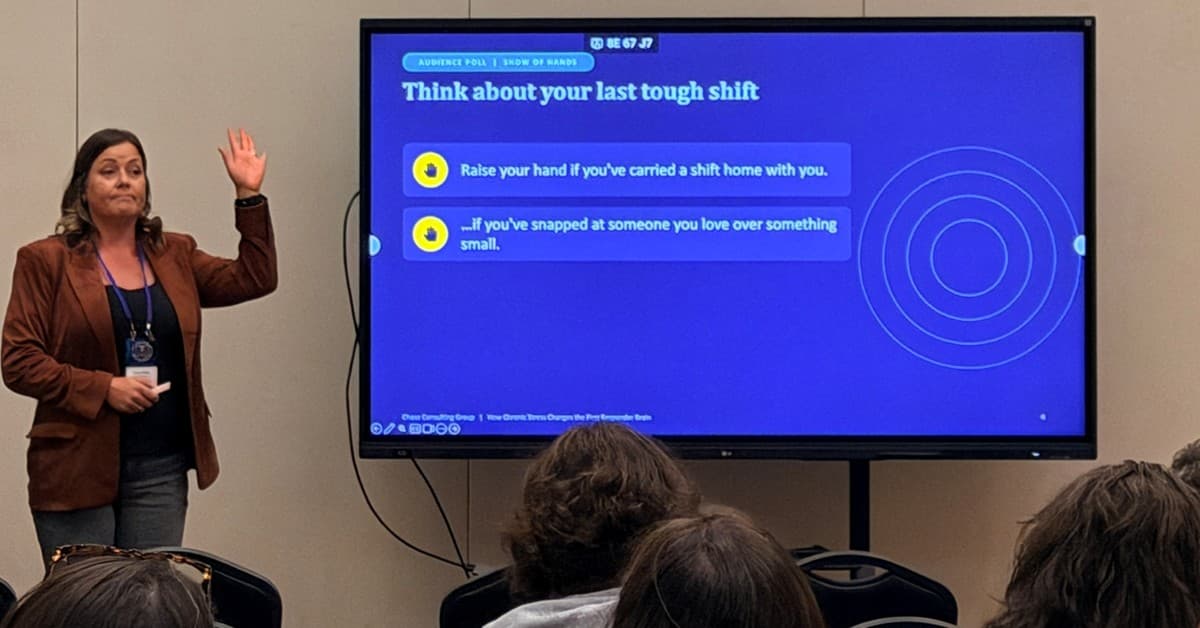
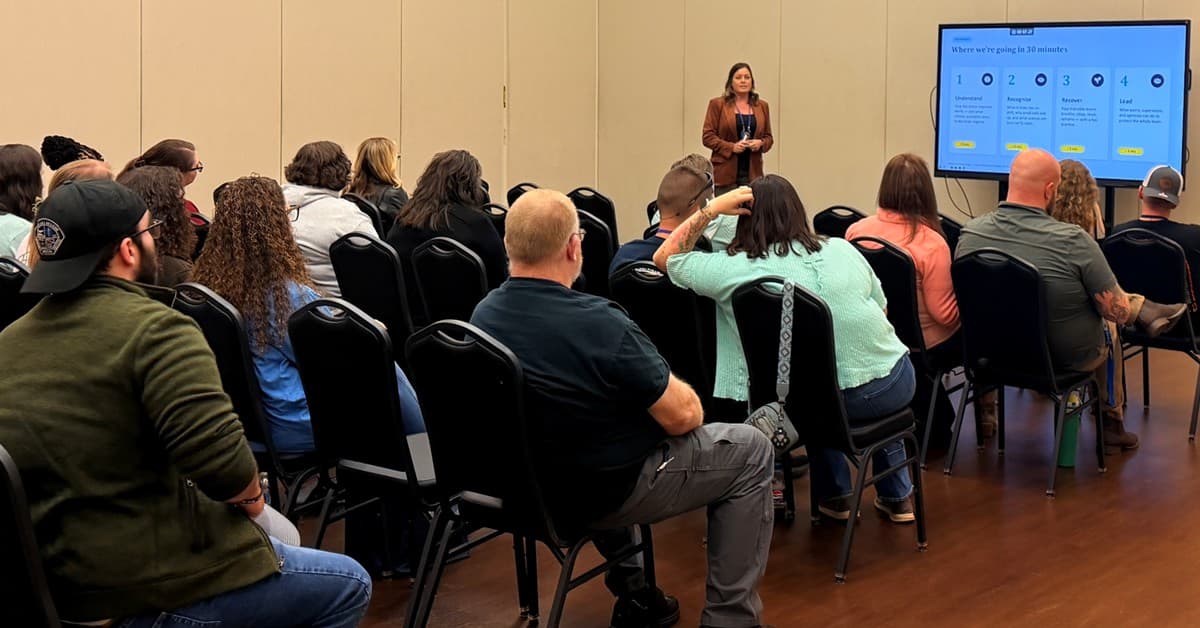
The call ends. You document what happened, take the next call and keep going. By the time you leave, the shift may look finished on paper. Your mind and body may still be carrying it.I spent more than 18 years as a 911 dispatcher, including time as an emergency communications supervisor. I grew up in a public safety family and later married a police officer. I have seen the demands of this work at the console and around the kitchen table after a hard shift. Those experiences are a big part of why mental wellness in public safety matters so much to me.Later, teaching psychology at the college level gave me language and research for what I had lived. That connection between experience and science shaped my recent Mental Wellness Summit presentation on how chronic stress affects the first responder brain and what research tells us about recovery.The idea I wanted people to take with them was this: recovery deserves a place in the workday. When stress arrives call after call, support needs to be part of everyday operations, too.Our stress response helps us meet urgent demands. It sharpens our focus and prepares the body to act. In a healthy cycle, that activation is followed by a return toward baseline. But in an emergency communications center, another call may arrive before there has been much chance to come back down.Researchers use the term allostatic load to describe the cumulative wear and tear associated with repeated activation of our stress systems. For telecommunicators, that accumulation can happen across shifts that feel ordinary by the standards of the job. A call does not have to be the worst one you have ever taken to add to the load.That is one reason I wanted to give special attention to the people behind the headset. You can hear someone’s fear without ever seeing the scene. You may help through the most frightening minutes of a person’s life and never learn how the story ends. Then the next call is waiting. Research on 911 telecommunicators has linked duty-related trauma exposure with symptoms of post-traumatic stress. Being physically removed from the scene does not remove the need for recovery.Chronic stress can affect systems involved in attention, memory and emotional regulation. In everyday life, that may look like being exhausted but unable to sleep, struggling to concentrate or arriving home with very little patience left. These are signals worth noticing. Persistent or worsening difficulties deserve a conversation with a qualified clinician, with peer support also offering a way to connect and seek help.It is equally important to be careful with the science. Headlines about stress permanently damaging or rewiring the brain can leave people feeling that their future has already been decided. The research is more nuanced. Many findings describe associations across groups, and studies also show that some stress-related changes in functioning can improve with recovery. The brain remains capable of adapting.That capacity for change is where I focused the practical part of my presentation. If strain can accumulate in small increments, we should also look for small, repeatable opportunities to recover.Slow, paced breathing is one place to start. A simple practice is to breathe in gently for about five seconds and out for about five seconds, at a comfortable pace. Research supports slow breathing as a tool for regulating physiological arousal. Practicing it regularly can make it easier to use after a difficult moment.A brief reset can also create a little space between one hard call and the next. Acknowledge that the call was difficult. Stand or stretch when coverage allows. Take a few slow breaths. Say a sentence to a trusted colleague. These small actions offer a practical way to pause and reconnect, while recognizing that some experiences require more time and professional support.Sleep deserves the same deliberate attention. Shift work can make it difficult to protect, and feeling accustomed to fatigue does not mean its effects have disappeared. A consistent core sleep period where possible, a wind-down routine and attention to caffeine timing can help create better conditions for rest. Leaders have a role here, too, through scheduling decisions and the recovery time they protect between shifts.The stories we tell ourselves after a call matter as well. “I should have done more” can follow someone long after the headset comes off. Asking what was within your control, what information you had at the time and what you would say to a colleague can help you assess that experience more fairly. There can still be grief, and there can still be lessons to learn.For any of these practices to become realistic habits, the center has to make room for them. A telecommunicator cannot take a meaningful break if there is no coverage. A peer-support program is harder to use if people fear that asking for help will damage their careers. Supervisors influence both the practical opportunities for recovery and whether employees feel safe using them.
Supporting Telecommunicator Wellness Starts with Better Insights
Understanding the demands placed on 911 dispatchers is an important step toward building healthier, more resilient emergency communications centers.NiCE Inform Intelligence Center helps PSAP leaders gain visibility into call volumes, high-stress incidents, workload trends and operational demands. With better insights, supervisors can make more informed decisions about staffing, recovery opportunities and employee support.Discover how NiCE Inform Intelligence Center's operational intelligence can help your center better support the people behind the headset.For additional information about telecommunicator wellness, contact Laura Chase.